13. Key performance indicators
JJIL would
monitor and report:
·
Commercial
·
Number
of units sold or leased.
·
Installed
and active units.
·
Utilisation
rate and batches per month.
·
Revenue
from equipment, processing, maintenance, and parts.
·
Repeat
customers and customer referrals.
·
Customer
payback and default rates, where financing is offered.
·
Technical
·
Capacity
by commodity.
·
Drying
time and energy use per kilogram.
·
Batch-to-batch
consistency.
·
Equipment
uptime and repair response time.
·
Product
rejection and spoilage rates.
·
Food-loss
and income outcomes
·
Quantity
processed that would otherwise have been lost or sold at a discount.
·
Change
in selling price and net income.
·
Quantity
of finished product sold.
·
Shelf-life
results under documented packaging and storage conditions.
·
Social
and safety
·
Women
and young people trained and employed.
·
Share
of women in technical and leadership roles.
·
Wages
and hours worked.
·
Safety
incidents and corrective actions.
Impact
claims should be based on measured before-and-after data and clearly state the
sample, period, commodity, and location.
14. Conclusion
Nigeria’s
high perishability challenges, seasonal production, limited cold-chain access,
and dependence on informal processing create a substantial need for effective food-preservation
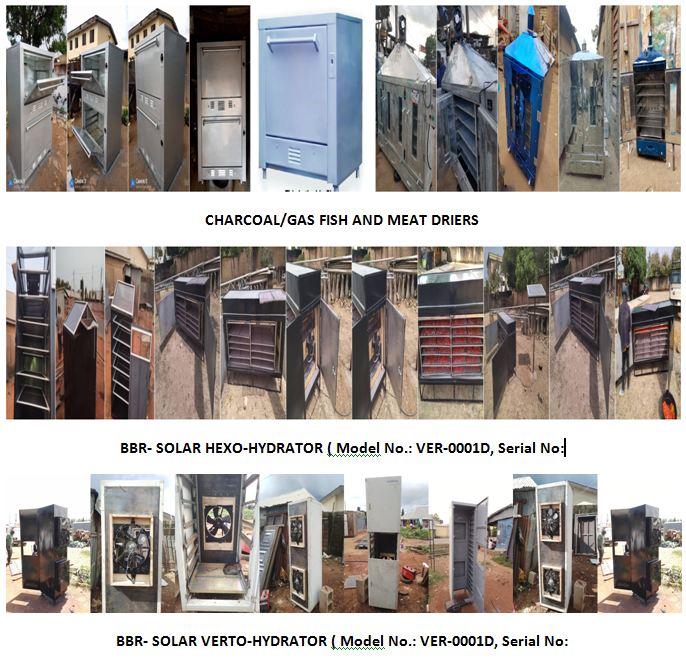
technologies. JJIL’s dehydrator and multi-fuel fish and meat dryers address a
relevant market problem, particularly for fish processors, farmer groups, small
food businesses, and community processing centres.
However, the
existence of post-harvest losses does not automatically establish demand for a
particular machine. Commercial feasibility depends on proven equipment
performance, acceptable product quality, safe operation, affordable energy use,
a reliable supply of raw materials, buyer demand, financing, and after-sales
support.
JJIL should
proceed through evidence-led market development: independently test its
equipment, run paid pilots with target users, document unit economics, validate
food-safety and shelf-life outcomes, and build local maintenance and financing
options. If these steps demonstrate repeat use and profitable customer
outcomes, the company will have a stronger basis for scaling across North
Central and North East Nigeria and for attracting commercial or development finance.
Information
JJIL would provide to complete an investment-grade assessment:
·
Product
specifications, installed prices, and warranty terms.
·
Rated
capacity by commodity and actual customer throughput.
·
Independent
drying and energy-consumption test results.
·
Approved
fuels and fuel-specific safety procedures.
·
Existing
customer list, locations, and references.
·
Sales
and service records, including downtime and repairs.
·
Customer-level
operating-cost and revenue data.
·
Applicable
certifications, food-safety documentation, and maintenance manuals.
·
Planned
locations, expected raw-material volumes, and identified buyers.